Choosing a restaurant job that fits your lifestyle is sometimes challenging. For people who want both flexible shifts and a competitive salary, Chipotle might be a solid consideration.
This article discusses working at Chipotle in Spain—who it’s for, possible benefits, and what to expect in day-to-day life. An honest look, aiming to guide job-seekers and career changers trying to understand their options in fast-casual dining.
Why Work at Chipotle in Spain?
Chipotle, originally a US-based chain, has expanded its presence. It’s increasingly attracting candidates in Spain who value balance as much as earnings. But what makes these job listings stand out?
Flexible Hour Options
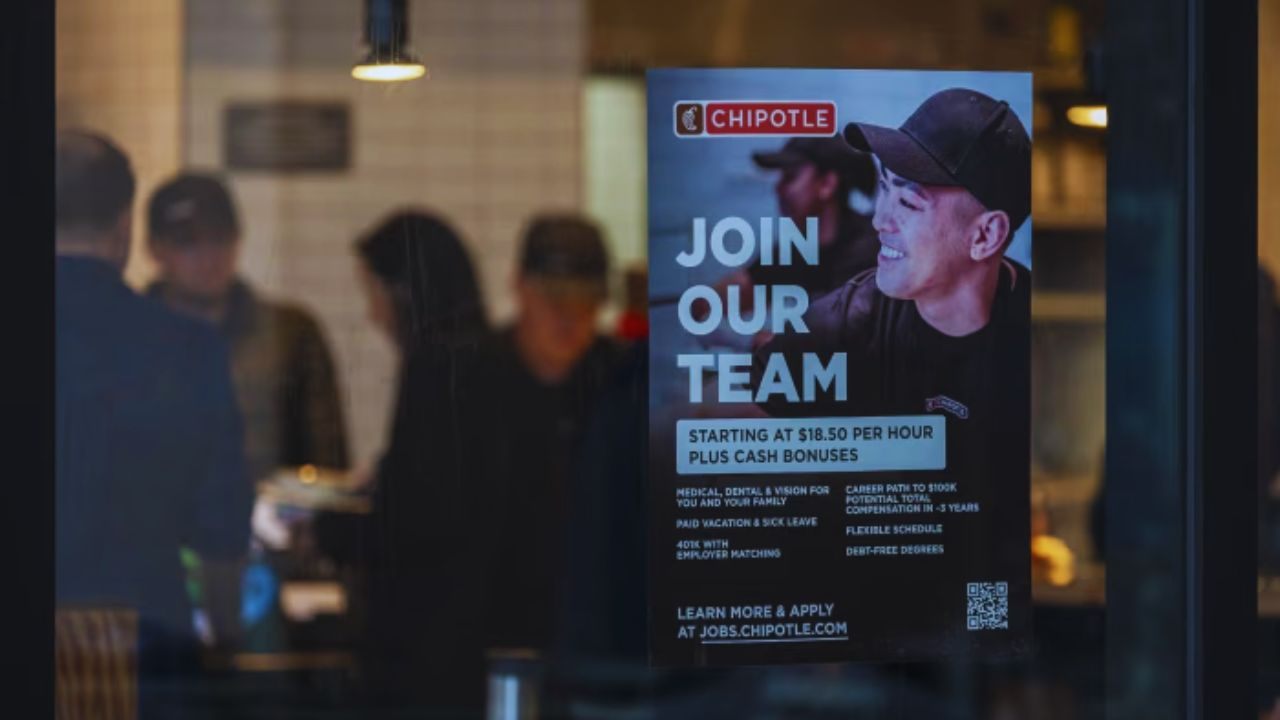
Many Chipotle locations (at least in larger cities) offer a variety of shift patterns. There is often a choice between full-time, part-time, and weekend or evening shifts. Those looking for scheduling that adapts to personal needs might see this as a real advantage.
Not everyone wants the standard nine-to-five, and it’s nice to have credible alternatives that don’t undervalue your time. Honestly, this seems to be a sticking point for some other employers in hospitality.
Competitive Pay Rates
Competitive could mean different things, depending on location and experience. Chipotle generally aims to pay a little more than minimum wage and reviews its wage structure regularly.
The wage transparency and scheduled increases can feel reassuring. Personally, the idea of knowing when your pay will grow is comforting, especially if you prefer planning ahead.
Opportunities for Growth
Food service often gets overlooked as a “stepping stone” job. However, Chipotle’s internal promotion track record is worth mentioning. Many employees move from entry-level to higher positions within a few years.
It’s not unique to Spain, but it does matter if you’re thinking: “Is this just a summer gig, or something more?”
Types of Roles Available at Chipotle
While franchise locations may vary, most Chipotle roles in Spain fit several broad categories. Knowing the difference helps applicants align expectations before applying.
Team Member
Most people start here. It revolves around food prep, customer service, and maintaining a clean environment. While some dislike repetitive work, steady routines can be appealing for others.
Kitchen Staff and Line Cooks
Being in the kitchen calls for attention to detail and speed. Some may find this area more appealing, especially if you thrive on staying busy and enjoy coordinated teamwork.
Service Leader
This is a supervisor role, usually responsible for guiding the rest of the team, customer issues, and some admin duties. It’s often a next step up, coming with higher pay and more responsibility.
Management Tracks
Assistant Managers and Managers shape the workplace culture. Beyond hourly pay, these positions may include performance bonuses and other perks, such as extra holidays.
That part may take a while to reach, but it’s not as rare as some might assume.
Key Benefits of Working with Chipotle
Employees often cite a mix of reasons for staying with Chipotle longer than originally planned. The combination of benefits and predictability may not suit everyone, but it is noticeably valued by people who prioritize stability.
- Flexible shifts make balancing studies, family, or side gigs less stressful.
- Wages that often rise above the local legal minimum—sometimes by a decent margin.
- Internal advancement, with clear timelines to promotion for most in-store roles.
- Employee meal discounts and the occasional team incentive bonus.
- Most Spanish locations adhere to standardized holiday policy and time-off requests.
Requirements to Get Hired at Chipotle
No one wants surprises during a hiring process. Chipotle in Spain tends to be clear about its expectations. Most applicants need to meet basic requirements, though experiences can vary by store and manager.
- Minimum age is typically 18, mainly for labor law compliance.
- No formal culinary training needed for entry-level roles.
- Legal right to work in Spain (papers may vary for EU and non-EU applicants).
- Communication skills—Spanish fluency is usually required, and English helps, too, especially in tourist areas.
- Willingness to follow food safety and hygiene protocols, of course.
How to Apply for a Job at Chipotle Spain
The process is more streamlined now than it used to be. Most hiring for Spain happens through the official Chipotle website, plus regular postings on reputable job boards.
Walk-ins with a printed CV are sometimes accepted, particularly in smaller towns, though less common in city-based outlets. The key is being prepared—applications that mention any relevant hospitality or customer service experience tend to get faster callbacks.
- Check the Chipotle Careers page or well-known job portals (like InfoJobs or LinkedIn).
- Prepare a short cover letter—nothing super detailed, just a paragraph or two about availability and interest.
- Be ready for a short interview. These are often in-store and might involve a skills test, like making a basic item or customer roleplay.
- Documents to bring usually include proof of identity, work authorization, and sometimes a recent police clearance certificate.
What Is the Day-to-Day Like?
Workdays at Chipotle are rarely identical. Guests, pace, and priorities change, but most shifts combine prep work, service, and cleanup. Many appreciate the structured schedule—things like set meal breaks and planned shift patterns.
There’s often light rotation between kitchen and service roles, which means tasks don’t get monotonous. In the summer, high tourist volume raises the energy level, which can be either exciting or draining, depending on preference.
Pay Structure and Possible Increases
Wages typically start slightly above the Spanish hospitality minimum. For context, this fluctuates according to region. Some cities, like Barcelona and Madrid, report higher base rates due to cost of living and local competition.
Scheduled performance reviews (perhaps every six or twelve months) often come with small pay bumps, especially for employees who stay longer or take on additional responsibilities.
Tips are sometimes pooled, but this varies by manager and shift. It’s wise to ask at the interview to avoid assumptions.
Is Chipotle Right for You?
Not everyone loves food service, and that’s reasonable. But Chipotle’s commitment to flexibility and transparent pay scales does set it apart from some other fast-casual brands in Spain.
If schedule adaptability and reliable raises appeal, it could be a logical fit. That said, high-energy work and busy rushes may not suit those who prefer quieter environments.
There’s no universal answer; individuals come to their own conclusions after weighing priorities and life stages.
Legal Considerations and Employment Rights
All Chipotle employees in Spain are protected by standard labor regulations. This includes contracts, capped weekly hours, mandatory rest periods, and built-in overtime compensation.
Recent labor law updates have tightened rules on agency staffing and underage employment, making compliance non-negotiable for all reputable chains—Chipotle included.
Taxes and socials security contributions are withheld at source; employees generally receive payslips that itemize these deductions for transparency.
It’s not unusual to feel confused about some deductions initially, but payroll teams can clarify if anything seems off. Questions are normal when starting out.
Top Alternatives to Chipotle in Spain
It’s rarely a bad idea to compare several employers. Well-known alternatives for similar benefits include Taco Bell, VIPS, and some local Spanish chains. Each offers its own take on flexibility, pay, and team environment.
For those interested in longer-term growth, digital-first platforms—like Glovo or Uber Eats—may also appeal, though as independent contractors, those roles lack fixed wages and classic benefits. Direct employment, like with Chipotle, may feel more predictable.
Conclusion
Chipotle careers in Spain can appeal to applicants looking for active work, flexible schedules, and clear wage expectations.
Before applying, it helps to compare available roles, shift patterns, and growth options carefully. With the right preparation, candidates can choose opportunities that match their lifestyle, income goals, and long-term career direction.