Finding an IT role quickly requires targeted tools, smart preparation, and disciplined search habits.
The guidance below combines platform‑specific instructions with broader career strategies so you can locate, qualify for, and secure information‑technology positions worldwide.



Specialized Tech Job Platforms Matter: Why?
Generic employment sites bury tech listings under thousands of unrelated ads, slowing your progress. A niche board removes that clutter and puts every click to work.
What Sets IT Job Pro Apart
Created in 2010, IT Job Pro now hosts more than 2 million active candidates and earns “Most Popular Technology Job Site” honors year after year. Its single-industry focus ensures you only sift through relevant roles, and every posting comes from a company vetted for legitimacy.
Trusted employers worldwide—such as IBM, Netflix, Nokia, Starbucks, Chevron, Airbnb, and Under Armour—use the platform when hiring new tech talent.
Key advantages include:
- Rapid‑response posting pipeline that connects talent to employers in minutes.
- Free, unlimited access to millions of technology vacancies.
- Mandatory company screening that keeps scams off the board.
Navigating the IT Job Pro Home Page
A minimalist interface accelerates your first search. Two primary tabs greet visitors: Post Jobs for hiring teams and the Menu for candidates.
Under Menu, you find Login/Register, About Us, Job Alerts, and Contact Us. Front and center sits a search bar where you can enter keywords and a preferred location.
Scroll slightly lower, and sample listings appear, displaying title, employer, city, and posting date so you can preview fresh opportunities without opening another page.
Using Keywords and Locations Effectively
A single, well‑chosen phrase dramatically improves match quality. Start with your target job title, required skill, or specialized tool, then refine by city, region, or “remote” if relocation is impossible.
Multiple keywords separated by commas broaden results while still filtering irrelevant ads.
Tips for stronger searches:
- Combine role and technology, for example, “Java developer, Spring Boot.”
- Add seniority words such as “junior,” “lead,” or “architect” to narrow compensation bands.
- Specify “remote” or “hybrid” when location flexibility is non‑negotiable.
Reading Search Results and Job Details
Every result line reveals the company name, role, city, and posting time. Clicking a listing opens a detailed brief that outlines responsibilities, education, experience, citizenship needs, and essential technical skills.
Most ads also link directly to the employer’s website, social channels, and hiring‑team email so you can research culture and submit tailored questions.
Application Paths on IT Job Pro
Companies choose one of three workflows:
- Direct website submission – You click an external link and complete the company’s proprietary form.
- Email application – You attach your résumé and cover letter to the address supplied within the listing.
- Platform screening – You upload LinkedIn or Indeed credentials so recruiters can gauge fit before formal interviews.
Leveraging Job Alerts for Timely Leads
Job Alerts remove constant manual searching. You receive fresh matches directly in your inbox after choosing keywords, location, desired role type, and notification cadence (daily, weekly, or fortnightly).
Name each alert clearly—such as “Cloud Security Engineer Remote”—so incoming messages stay organized.
Support and Safety Built In
A five‑department support desk answers technical queries, candidate questions, recruiter issues, billing matters, and general information requests.
Submit your name, select the appropriate department, outline the concern, and expect a swift reply designed to keep your hunt moving forward.
Building Qualifications to Stand Out Worldwide
Strong credentials transform clicks into callbacks. While countless routes lead to a technology career, the most reliable involve formal learning, targeted certification, and consistent practice.
Core Technical Competencies Employers Value
A modern IT résumé should demonstrate proficiency in these areas:
- Computer programming languages or scripting frameworks.
- Network configuration, access control, and IP services.
- Cybersecurity fundamentals, including encryption and firewalls.
- Cloud platforms, migration techniques, and container orchestration.
- Data analysis, visualization, and basic machine‑learning workflows.
- Troubleshooting methods coupled with clear verbal and written communication.
Formal Education and Certifications
Many roles still prefer a bachelor’s degree in computer science, information systems, software engineering, or related disciplines. Graduate study becomes essential when positions demand advanced research or leadership authority.
Complement academic credentials with respected certifications:
- CompTIA A+ – Entry‑level hardware, operating systems, and troubleshooting.
- Cisco CCNA – Routing, switching, and network foundations.
- AWS Solutions Architect Associate – Core cloud‑architecture concepts.
- Certified Information Systems Security Professional (CISSP) – Senior security validation.
These exams cost money, yet they also deliver verifiable proof of capability, making the investment worthwhile.
Experience‑Building Strategies Outside the Classroom
Every recruiter prizes real‑world results. You can gather them quickly through:
- Course projects that mirror production tasks and generate portfolio artifacts.
- Personal experiments, such as building a full‑stack web app or automating home networks.
- Internships offering structured mentorship and exposure to enterprise environments.
- Freelance contracts on marketplace sites targeting global startups.
- Volunteer engagements where nonprofit organizations need website refreshes or database upgrades.
Showcasing tangible outcomes from these activities elevates your profile beyond theoretical knowledge.
Continuous Learning and Networking
Technology evolves relentlessly; therefore, commit to ongoing education via online micro‑courses, reading technical blogs, or joining virtual conferences.
Simultaneously, expand your professional network on LinkedIn, regional meet‑ups, or industry Slack groups. Connections often surface hidden vacancies before they reach public boards, accelerating your search.
Broader Online Job Search Strategies
Even the best niche board works best when integrated into a disciplined multichannel plan.
Start on Official Career Pages
Companies frequently list openings on their own sites first. Build a bookmark folder containing career portals of preferred employers and scan them several times each week. Early applications translate into less competition.
Leverage LinkedIn Intelligently
LinkedIn’s job module highlights mutual connections inside target firms. Message those contacts politely, reference shared interests, and request insight on culture or application recommendations.
Always file the final application through the employer’s site to ensure tracking‑system capture.
Tap Academic Alumni Resources
Universities maintain exclusive job boards accessible to graduates worldwide. Register, upload an updated résumé, set search filters, and enable notifications for tech categories aligned with your expertise.
Activate Your Network
Draft a concise update describing the roles you seek, the skills you offer, and the timeframe for availability. Share it with former colleagues, mentors, and friends rather than blasting a generic status. Personalized outreach triggers genuine assistance.
Engage Niche Communities Like Blind
Blind verifies employment emails and hosts candid discussions about compensation, interview experiences, and corporate culture.
It’s “Who’s Hiring” board filters listings by function, location, and posting date, giving you an unvarnished view of demand trends.
Explore Dedicated Tech Job Boards
Supplement IT Job Pro with additional portals:
- AngelList – Startup opportunities worldwide.
- Built In – City‑focused tech roles plus remote options.
- Dice – Long‑standing technology specialist board.
- Ladders – High‑compensation positions at USD 100k and above.
- AboveBoard – Executive vacancies for vice‑president level and higher.
After identifying a fit, redirect to the organization’s career site for the official submission.
Connect With Specialized Recruiters
Executive search firms concentrate on senior engineering, product, and design openings that rarely appear publicly. Firms such as Riviera Partners, Daversa Partners, and Korn Ferry cultivate relationships with hiring leaders worldwide.
If your résumé shows leadership or rare technical depth, reaching out could surface confidential opportunities.

Frequently Asked Questions About Switching to Tech
A short Q&A eliminates common doubts that slow momentum.
- Is breaking into technology extremely difficult? The field remains competitive; however, deliberate skill building, networking, and consistent applications significantly improve odds.
- Can someone aged 40 or 50 start an IT career? Age does not disqualify you. Highlight transferable experience, maintain learning agility, and leverage an extensive network. Many employers appreciate seasoned perspectives.
- How long does a typical search last? Timelines vary by specialization, location, and market cycles, yet most dedicated candidates secure offers within several months when combining the strategies outlined above.
Action Checklist
Use this concise sequence to keep progress measurable:
- Create an IT Job Pro account and configure two Job Alerts reflecting your ideal role and location.
- Select three worldwide companies you admire and check their careers pages twice weekly.
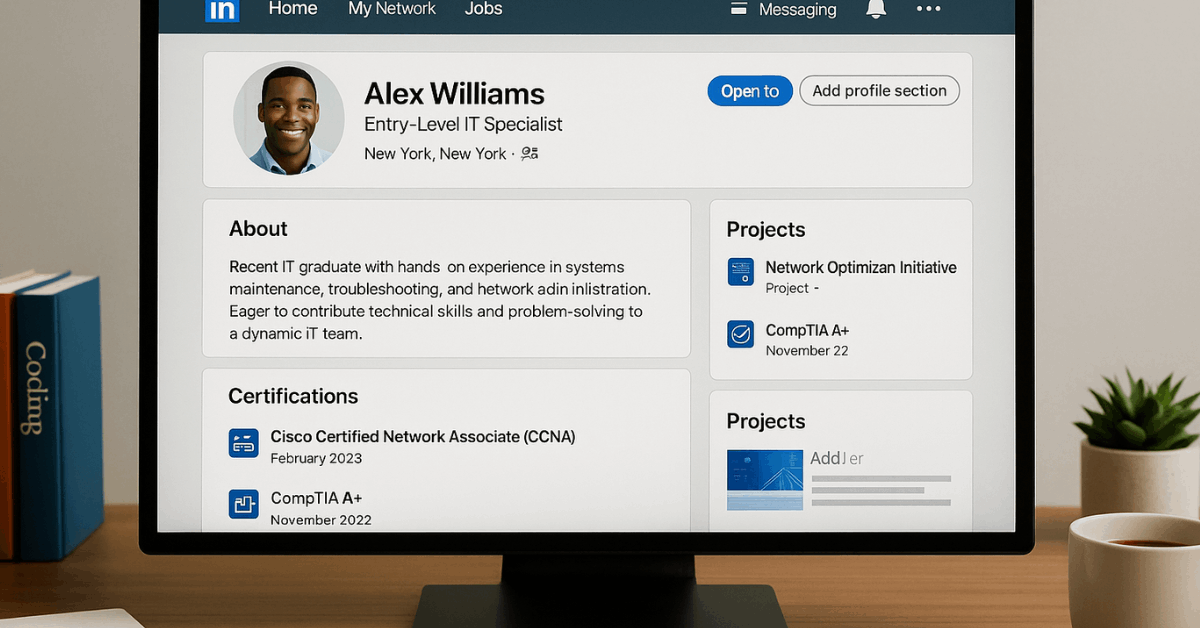
- Update LinkedIn with fresh keywords, certifications, and a headline that matches desired positions.
- Enroll in one certification course that aligns with your chosen specialty.
- Reach out to five network contacts, sharing your targeted search summary.
- Complete one portfolio project demonstrating a high‑value skill, then add it to GitHub or a personal website.
- Schedule weekly review sessions to adjust keywords, refresh resumes, and track applications.
Executing each step systematically positions you for interviews and offers sooner rather than later.
Conclusion
Your next position in IT is out there.
Apply the platform tactics, credential‑building methods, and networking moves above, and start collecting interview invitations that move your technology career forward worldwide.