Grocery expenses are a constant in daily life, which is why so many shoppers look for practical ways to stretch their budgets.
Among popular tools, Aldi Shopping Cards have become an accessible option for many. These prepaid cards offer an easy and organized way to pay for groceries.


While they may sound straightforward, there are useful guidelines, limitations, and a few details worth unpacking.
This article is designed for anyone interested in making shopping simpler—whether you want to give a helpful gift, track household spending, or just avoid the pitfalls of carrying cash.
We’ll explore how these cards work, places you can use them, limits and rules to keep in mind, and tips for maximizing their benefits.
If managing food costs or staying organized matters to you, this overview should help clarify the key points.
What Are Aldi Shopping Cards?
Aldi Shopping Cards function much like gift cards, letting users load money and spend up to the prepaid balance at Aldi stores.
They’re not credit cards, so there’s no risk of debt, and they’re often purchased for birthdays, holidays, or simply making weekly grocery trips easier to manage.
Physical and Digital Card Options
Aldi offers both physical cards —available in stores—and options for digital delivery, depending on region.
Either type can be used for in-person purchases once activated, but there are some points of difference worth noting depending on how you plan to shop.
Common Card Values and Formats
Most cards can be purchased loaded with a minimum and maximum value, usually ranging from €5 to €100 (or local currency equivalents).
Higher value cards may be useful for families or frequent shoppers, while smaller amounts can be helpful for specific occasions or even as a budgeting tool for individual family members.
How to Buy Aldi Shopping Cards
Acquiring an Aldi Shopping Card is generally straightforward. Shoppers can find them near checkouts in many Aldi stores.
Some locations also allow online purchases for delivery or, occasionally, pick-up, though policies and availability differ by country.
Purchase Process in Store
- Select a card from the available display near the checkout.
- Decide on the amount you’d like to load (within the allowed range).
- A staff member will activate the card at purchase—it’s ready to use immediately.
Online Availability and Delivery
Some Aldi regional sites offer the chance to buy digital cards for email delivery. However, this service may not be available everywhere, and there are sometimes additional terms for bulk or business purchases.
Where Can Aldi Shopping Cards Be Used?
The usability of an Aldi Shopping Card is a central concern. Most cards are locked to the country or region where they’re bought.
For instance, a card bought in Spain is unlikely to work in German or UK stores due to different voucher systems.
In-Store Usage Only
Traditionally, Aldi Shopping Cards are accepted for payment at in-store checkouts only. Online grocery orders or delivery services, where offered by Aldi, rarely support shopping cards as payment—though this could change in the future.
Country and Location Limitations
- Make sure to check if your card is valid in your local Aldi region before gifting or purchasing large values.
- Cross-border use isn’t supported, even within the European Union.
- Acceptable locations and terms are usually printed on the back of the card or listed on the Aldi website.
How to Use Aldi Shopping Cards at Checkout?
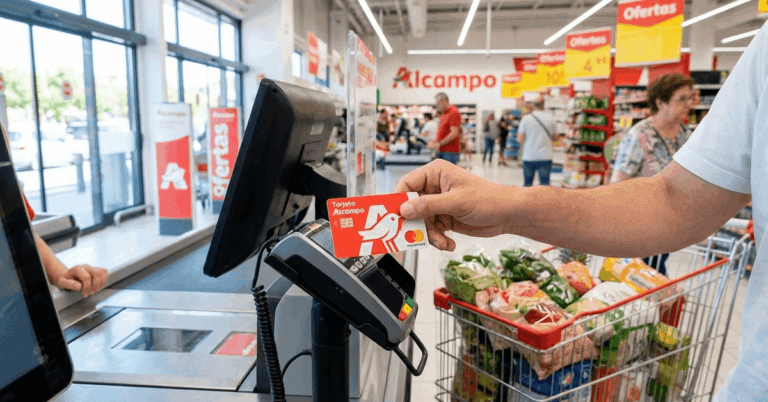
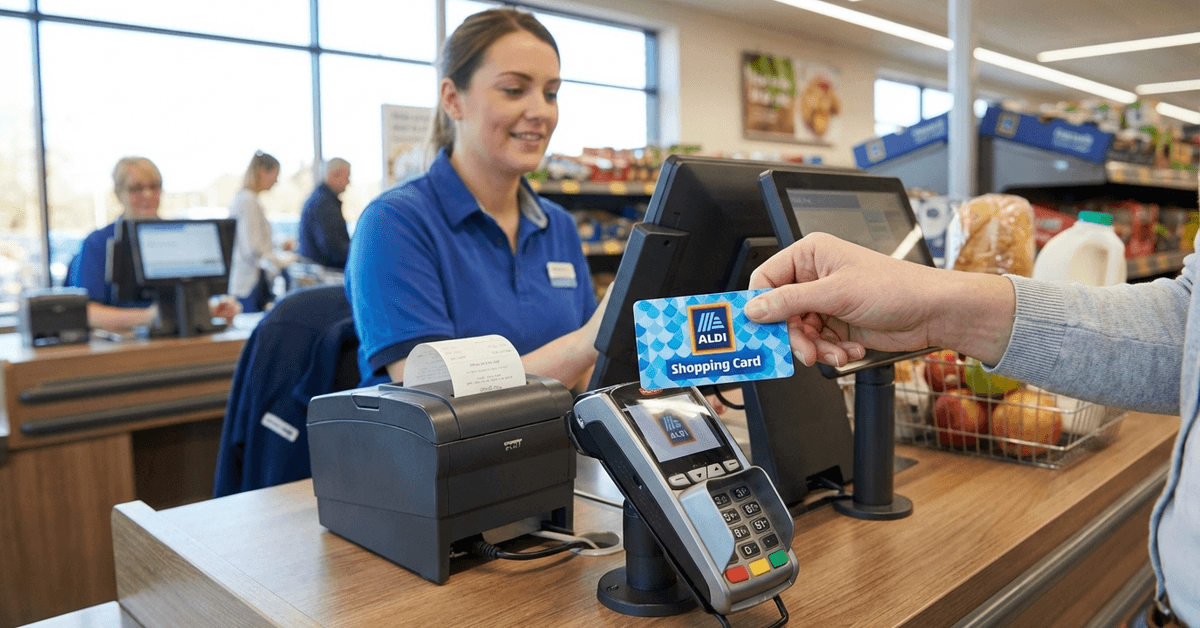
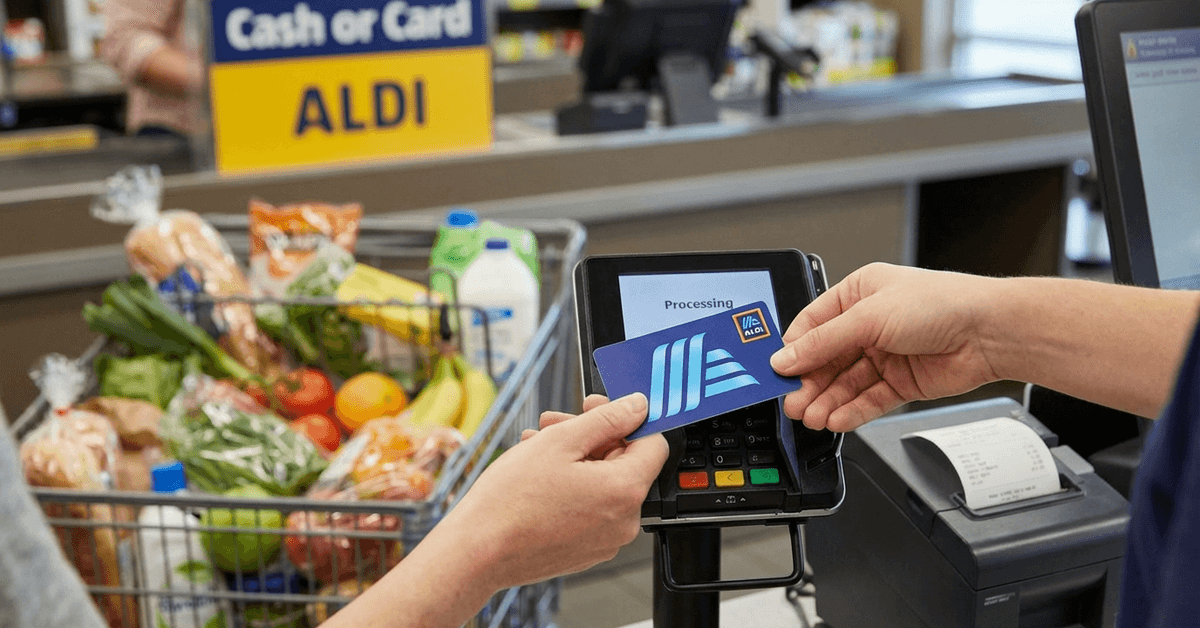
Paying with an Aldi Shopping Card is simple. Present the card to the cashier alongside your groceries, and the transaction will draw from your available balance.
If the total exceeds the amount on your card, you can pay the rest with cash or another card.
Partial Payments and Balances
It’s possible to use up a card’s value gradually; any leftover balance remains until fully spent. Some shoppers find this helpful for setting weekly or monthly food budgets for themselves or their children.
Checking Remaining Balance
Most Aldi shopping cards print the remaining balance on your receipt after each transaction. If not, you can always ask a cashier or use the hotline provided with the card packaging to check your current amount.
Key Terms, Expiry, and Card Conditions
Like most prepaid shopping options, Aldi cards come with specific rules. Being aware of these conditions helps avoid surprises.
Expiry Dates
Almost all Aldi Shopping Cards have an expiration period—often 5 years from activation. Letting a card lapse unused could mean losing the value, so it’s worth watching the date.
Lost or Stolen Cards
Sadly, Aldi does not generally replace lost or stolen cards. Unlike bank cards, these aren’t registered to individuals and can’t be blocked. Treating them like cash is the best practice.
Refunds and Returns
If you return an item bought with a shopping card, Aldi typically refunds that amount back onto a new card, rather than giving cash.
Benefits and Common Uses of Aldi Shopping Cards
This type of card isn’t just about convenience—it can support smart spending and thoughtful gifting.
Several possible uses come to mind, and honestly, not everyone looks at grocery gift cards the same way.
Gift Ideas for a Practical Touch
- They’re often chosen for birthdays, holidays, or to support students living away from home.
- Some may use them as thank-you gifts for colleagues, teachers, or neighbors.
- In some families, giving a preloaded card to teenagers can teach budgeting in a controlled, real-world setting.
Budgeting and Expense Control
If you sometimes find cash budgets too easy to overspend, loading an exact amount onto a shopping card can bring discipline.
Several parents report giving their children cards with limited values to handle weekly school lunches or snacks, which has actually sparked family discussions around money for some.
Organization and Security at Checkout
For people uncomfortable carrying larger amounts of cash or those who don’t want to bring a debit card, a reloadable or one-time Aldi card feels safer.
In some countries, these cards are even used by social service organizations as an alternative to vouchers or food parcels.
Potential Drawbacks and Limitations
No system is perfect. While Aldi Shopping Cards have many advantages, certain issues can crop up.
There’s always the possibility that policy changes or regional rules will shift. Here are a few considerations worth thinking about.
Restricted to Aldi Locations
The most obvious limitation: cards can only be used at Aldi stores and, usually, only within the specific issuing country. That makes them less flexible than universal prepaid cards.
May Not Cover All Needs
Unlike open-loop gift cards, Aldi Shopping Cards cannot be used at other retailers. So, if the recipient’s needs include pharmacy, gas, or non-grocery items, alternative gift solutions might make more sense.
No Cash Withdrawal
It’s worth saying that the cards cannot be used to draw cash or get change—the full value must be spent in store.
Tips for Getting the Most from Your Aldi Shopping Card
Optimizing your experience doesn’t require complicated tactics, but there are a few things that might help you squeeze every benefit from these cards:
- Keep your receipts and note card expiry dates in your calendar.
- If you’re buying as a gift, ask the recipient about their shopping habits and location, just to be sure card compatibility lines up.
- Consider combining a shopping card with other Aldi promotions or weekly specials to increase its buying power.
- For family use, try loading a series of smaller-value cards for various household members or specific purposes.
Final Thoughts
Aldi Shopping Cards can be a simple and practical way to manage grocery spending or give a useful gift.
Their main value comes from helping users stay organized, control budgets, and shop without carrying cash.
Still, the regional limits, expiry rules, and lack of replacement for lost cards are worth keeping in mind. Used thoughtfully, they can make everyday shopping feel a little easier and more controlled.