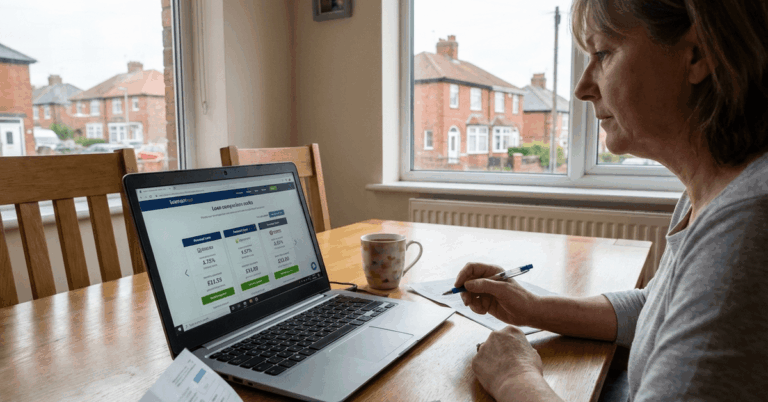
Searching for a transparent way to manage your finances? Halifax personal loans provide fixed repayment options and reliable schedules.
This approach suits many UK residents who value budgeting certainty. For those considering a loan, understanding the essentials of Halifax’s offerings can help in making informed, safe decisions.



This article is tailored for readers weighing whether a Halifax personal loan makes sense for their goals—perhaps for consolidating debt, financing home upgrades, or covering major expenses.
The aim is to highlight the features and important points while keeping your financial interests and safety in mind.
What Are Halifax Personal Loans?
Halifax, a well-known UK high street bank, offers personal loans with competitive rates and straightforward conditions.
The hallmark of these loans: fixed rates and set schedules. This means monthly repayments stay consistent throughout the term.

As many may already know, such predictability is especially useful when planning household finances. No one likes financial surprises.
While other lenders often start with tempting teaser rates, Halifax’s approach is typically more transparent. That, at least, is the general impression among frequent bank users.
Why Fixed Rates Matter in Personal Loans
There’s sometimes confusion between fixed and variable-rate loans. With fixed-rate Halifax personal loans, your interest rate will not change, regardless of what happens in the wider market. For most, this brings peace of mind.

Unpredictable interest can make budgeting tricky; a fixed repayment schedule, on the other hand, allows families to map expenses month after month.
Of course, nobody can absolutely guarantee what’s best for each circumstance, but fixed rates seem broadly favoured for stability.
Benefits of Fixed-Rate Repayment Plans
- Predictable monthly payments – Easier planning for essentials and extras.
- No changes if interest rates rise elsewhere—long-term security.
- Simple to compare costs and avoid complexity.
Some borrowers like the idea of variable rates, hoping to pay less if interest falls. Others feel the risk isn’t worth the potential stress. Personally, predictability wins out, at least for many people.
Loan Schedules: How Flexible Are They?
Halifax offers a choice of repayment terms—typically from one to seven years. The exact period you choose can influence the total cost, but also your monthly budget strain.
Picking a schedule might not feel straightforward at first; a longer term means lower monthly payments, but possibly a higher total interest paid.
On the other hand, opting for the shortest term may suit those able to handle larger payments. This can reduce overall interest.
For people uncertain about future income changes, flexibility in the schedule can be quite valuable.
Comparison Table: Sample Repayment Terms and Example Costs
Who Can Apply for a Halifax Personal Loan?
Eligibility criteria apply. Most UK residents aged 18 and above with a regular income are considered.
A reasonable credit history is almost always a must; defaults or recent bankruptcies may reduce the chances of approval.
Applicants need to provide employment details, address history, and personal identification. Halifax may also require direct debit setup for repayments—they can outline all specific requirements through their website or in-branch.
Common Documents Required
- Proof of address (utility bill or bank statement)
- Proof of income (payslips, self-employment accounts)
- Valid photo ID (driving licence, passport)
There’s always some uncertainty around approval; even meeting the published criteria doesn’t guarantee success, as decisions depend on individual assessments and credit checks.
How Much Can You Borrow?
Halifax generally offers personal loans between £1,000 and £50,000. Exact offers depend on credit score, income, and loan purpose.
Of course, other limits or exclusions can apply depending on the bank’s assessment criteria. Most borrowers find somewhere in the middle of this range suits their needs, but it’s a matter of personal circumstances.
Interest Rates and Total Loan Cost
The interest rate depends on multiple factors: loan size, term, and your credit profile. Halifax typically displays representative examples online.
But it’s impossible to predict the exact rate until after application, since their assessment is tailored to each situation.
- Representative APR (Annual Percentage Rate) gets shown up front
- Rates often start lower for excellent credit or higher loan values
- Longer terms can increase the total interest paid over time
It’s wise to check Halifax’s website for up-to-date representative examples and carefully review the total repayable before signing anything. Even a small difference in APR can add up across several years.
How to Apply for a Halifax Personal Loan?
There are several methods. The most common: applying via the Halifax online portal. Existing customers can sometimes use their mobile banking app for a quicker decision. In-branch appointments remain an option for those who prefer face-to-face discussion.
After submission, Halifax assesses creditworthiness, affordability, and ID. If successful, funds may reach your bank account quickly—sometimes within 24 hours.
- Online application: Self-service and paperless for most users
- Phone support: Halifax team available for questions
- Branch visitor: Guidance for those unsure about digital processes
Key Considerations Before Borrowing
Before choosing a personal loan, it’s important to reflect on affordability. While rates are fixed, circumstances may change during the term. Budgeting for the full repayment period is, in my view, a practical step.
Early repayment is often allowed, but sometimes comes with an extra fee. Halifax outlines these charges upfront.
Reading all terms and conditions closely is usually wise—no matter how experienced you are in finances.
Benefits and Drawbacks to Consider
Benefits of Halifax Personal Loans
- Stable, predictable monthly payments
- Clear schedule for loan settlement
- Reputable UK lender, with robust support options
- Flexible amounts and terms for different needs
Potential Downsides
- Early repayment fee may apply
- Not everyone may qualify for the lowest rates
- Longer schedules can mean more interest paid overall
- More borrowing increases total financial commitments
For people with other borrowing or credit lines, sometimes it’s worth comparing options, including 0% credit cards (for short-term borrowing) or credit unions, to see what best fits their situation.
Debt Management and Financial Safety
Personal loans offer structure and clarity, but they remain a form of debt. If ever unsure about long-term commitments, it may help to seek free, impartial advice from organisations such as Citizens Advice or MoneyHelper. Taking on new credit should always be a deliberate choice, not a rushed one.
Borrowers in difficulty can reach out to Halifax for support options, which may include payment holidays or help from dedicated teams.
Financial wellbeing is a priority; it’s common to feel uncertain, especially in turbulent times. An open conversation with your lender could prevent bigger problems down the line.
Tips Before Applying for a Halifax Personal Loan
- Check your budget against the full repayment term.
- Compare loan terms, not just the monthly payment.
- Review the total repayable amount and any early repayment fee.
- Gather your ID, income proof, and address documents in advance.
Final Thoughts
Halifax personal loans can be a practical option for borrowers who want fixed repayments and a clear schedule from a well-known UK lender.
Their biggest strength is predictability, which can make monthly budgeting easier over the full term.
Still, the right loan depends on your credit profile, chosen term, and confidence in managing the repayments comfortably. Looking closely at the total cost before applying can help you borrow with more clarity and less risk.