The Thinkmoney Prepaid Account provides a blend of convenience and control, which is essential for anyone looking to manage money more mindfully.
If budgeting often feels overwhelming or too complex, this account’s features might offer a gentler introduction to financial organization.



People searching for straightforward solutions, students new to handling expenses, or simply those interested in regaining control over spendings could find genuine value here.
What follows is a look at why, and how, the Thinkmoney Prepaid Account could make day-to-day budgeting easier and, perhaps, a little less stressful.
What Is a Thinkmoney Prepaid Account?
A Thinkmoney Prepaid Account works a bit differently from traditional bank accounts. Funds are loaded in advance and spending is restricted to what’s already in the account.
This prepaid approach can, perhaps, promote healthier money habits without the risk of overdrafts. Since no credit is involved, it may be suitable for those concerned about collecting debt or simply wishing to set firmer boundaries on spending patterns.
Key Budgeting Features of Thinkmoney Prepaid Account
The account integrates several budgeting tools and protective mechanisms, providing a structure that’s tailored for both financial novices and budget-savvy individuals.
Occasionally, small design elements can make a significant difference in daily money management.
Automatic Bill Management
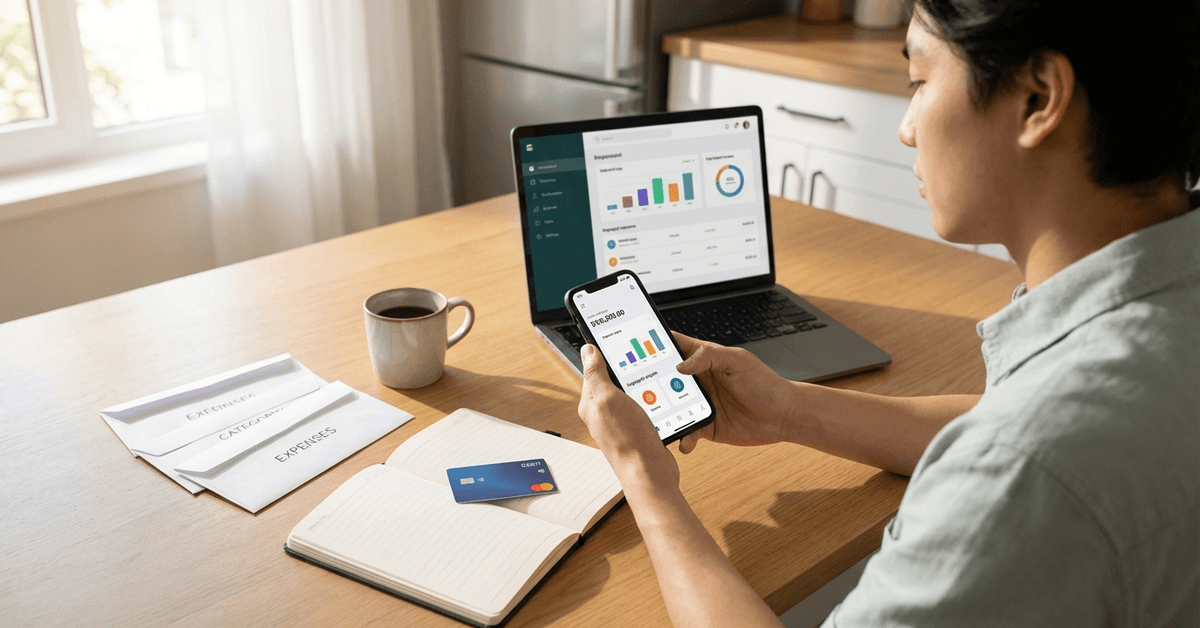
Perhaps the most useful of Thinkmoney’s features is its automated bill management.
By automatically reserving funds for scheduled outgoing payments, accidental missed bills become significantly less likely. This offers peace of mind, although some may still prefer a more hands-on approach.
Spending Pots for Everyday Expenses
Thinkmoney divides money into ‘ pots ’—these sections are designed to segregate essential bills from everyday spending.
This split can help clarify what is truly available, potentially reducing the chance of running out before the month ends. The process isn’t flawless, but many users might appreciate having visual cues to guide their choices.

Mobile and Online Account Management
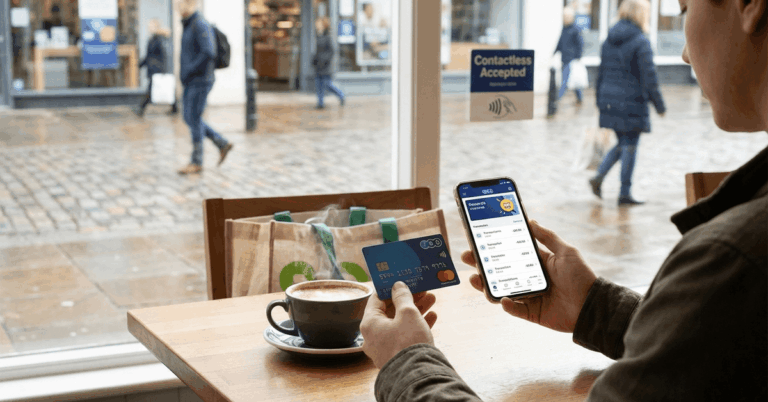
Through mobile apps and web platforms, account holders can check their balances, initiate transfers, and view recent transactions in real time.
The interface feels fairly intuitive, though the learning curve may differ from person to person. Tracking money as it moves could lead to more conscious spending decisions.
Alerts and Notifications
Personalized notifications play a subtle, yet important, role. The account sends timely alerts on scheduled payments, low balances, and incoming deposits.
Some might consider these reminders excessive, but others may regard them as essential nudges when life gets busy.
Why People Choose Prepaid for Budgeting?
It’s interesting to note that prepaid accounts like Thinkmoney’s attract a diverse range of users. The specifics may vary, though a few themes recur among people who seek them out.
Perhaps it’s the absence of overdraft concerns, or maybe the clear separation of spending and bill money provides comfort where typical accounts fall short.
Reducing Temptation to Overspend
Prepaid cards are limited to the funds available, so there isn’t room for unintentional splurges once the balance is gone.
While it’s not foolproof, this can aid those who find traditional debit or credit cards a bit too flexible.
Avoiding Penalties and Unexpected Fees
Bounce fees or overdraft charges can be a real challenge for many. The Thinkmoney Prepaid Account, by design, sidesteps overdrafting entirely. Of course, other fees may apply, but the risk of surprise negative balances appears minimal.
Learning and Practicing Responsible Habits
For younger users or those looking to recover from financial setbacks, a prepaid approach may foster a step-by-step way to improve budgeting literacy. Mistakes are still possible, yet, sometimes, gentle limits can make them less severe.
How the Thinkmoney Prepaid Account Works in Practice
The mechanics behind Thinkmoney’s system revolve around ‘ring-fencing’ income for genuine essentials and keeping the rest separate.
The technique itself isn’t new, but automating it does save some manual effort—though, perhaps for those who’d rather do things themselves, it can feel a bit restrictive.
Income Splitting on Receipt
When funds arrive, Thinkmoney allocates what’s needed for regular bills first. What remains is released to your everyday ‘spending pot’.
Not all accounts do this automatically. The system isn’t immune to errors, so keeping an occasional eye on things is wise.
Practical Scenarios: Monthly, Weekly, and Unexpected Bills
Both regular monthly payments (like rent or subscriptions) and one-time purchases (such as travel tickets) can be managed through the budgeting tools.
For those used to things slipping through the cracks, these layers of separation might reduce the risk—but of course, only to a point.
Limitations to Consider
No budgeting tool is perfect. Thinkmoney’s strengths lie in structure, but there are definite boundaries to be aware of.
Some users report the inability to access credit or certain premium features found in banks. Sorting out rare bill types, sometimes, might require a manual workaround.
Access and Withdrawal Fees
While many standard transactions are included, some actions—like ATM withdrawals or international purchases—may come with a fee structure.
Checking the most up-to-date details is always advisable, since small charges can quietly add up.
Integration with Other Budgeting Tools
If you already use digital budgeting apps or spreadsheets, syncing data may be less seamless than with mainstream banks.
For those heavily invested in external money management, this might cause an occasional headache.
Comparing Thinkmoney to Other Prepaid Budgeting Options
The broader prepaid account market offers many choices, and Thinkmoney is just one provider. Some alternatives place a stronger emphasis on app integration or interest earning, while others focus purely on simplicity.
Depending on individual needs, Thinkmoney stands out mainly for its commitment to bill protection and enforced budgeting.
Alternative Prepaid Features
- Some competitors allow direct control over every outgoing payment.
- Certain providers include cashback rewards with spending categories.
- Interface design and customer service quality can differ notably between providers.
Tips for Making the Most of Thinkmoney’s Budgeting Tools
While automated features provide structure, mixing them with personal strategies can improve outcomes.
Experimenting with settings—alerts, income timings, or adjusting spending pots—might offer fresh insights into money management. Mistakes might still happen, but that’s part of developing a real-world system.
Regularly Reviewing Allocated Bills
Circumstances change—subscriptions end, bills increase. Revisiting your list of protected bills ensures allocations remain accurate, reducing the odds of unwanted surprises later.
Using Digital Statements for Expense Tracking
Monthly statements and real-time updates let users reflect on where money flows. It’s not always a quick fix for overspending, but having persistent access to transaction history can help identify patterns—good and not-so-good alike.
Making Use of Custom Spending Pots
Assigning specific purposes to ‘pots’, such as a holiday fund or emergency savings, may serve as a daily reminder to keep long-term goals in sight.
The temptation to dip into these sections can be real—sometimes, a little friction can encourage discipline.
Security and Peace of Mind
Security-conscious users may appreciate that Thinkmoney Prepaid Account isn’t directly tied to a line of credit or a wider account.
Though online threats remain a reality for everyone, the risk exposure here seems lower due to the ‘prepaid’ model. Naturally, users should still remain vigilant with passwords and device settings.
Legal and Tax Implications
Thinkmoney Prepaid Account is regulated in the UK by the Financial Conduct Authority. However, it’s not a bank, so the Financial Services Compensation Scheme (FSCS) may not apply.
For tax purposes—especially for freelancers or those using it for business—a little extra care keeping receipts and records tends to go a long way. Consulting with a professional for unique situations is advisable.
Final Thoughts
The Thinkmoney Prepaid Account can be helpful for people who want more structure and fewer overspending risks.
Its budgeting tools work best when you review them regularly and stay involved with your spending habits.
While it may not offer the same flexibility as a traditional bank account, it can support more controlled day-to-day money management. For users who value clear limits and automated bill planning, it may be a practical option.