The world of payday loans in the UK can seem confusing at a glance. There’s a lot of talk about fast cash and emergency loans, but real understanding often gets lost.
This article aims to shed some light on the mechanics and real-life experience of taking out a payday loan, who they’re meant for, common risks, and safer options to consider.



It’s primarily for anyone considering a payday loan in the UK, or those curious about short-term borrowing in general.
You’ll find key insights, things to look out for, and perhaps a few points you haven’t previously considered.
Ideally, this should help in making informed decisions about your finances, without simply advocating for or against borrowing.
What Are Payday Loans in the UK?
Payday loans are a type of short-term lending designed for people who need money quickly—sometimes to cover unexpected costs before their next payday.
They’re often called ‘same day loans’ or ’emergency loans’ because the process is meant to be quick, and funds can appear in your bank account on the same day.
Historically, payday loans have filled a gap for those with limited access to mainstream credit, but, honestly, they’ve also been the subject of controversy in the UK.
How Payday Loans Work
Applicants typically fill out an online form, share their income and spending details, and receive a lending decision in minutes.
If approved, the lender deposits the money into the borrower’s account, with the expectation it will be repaid—plus interest—by the next payday.
These loans are usually for small sums, often ranging from £100 to £1,000, and last for just a few weeks. That’s the theory, at least.
The Appeal of Instant Access
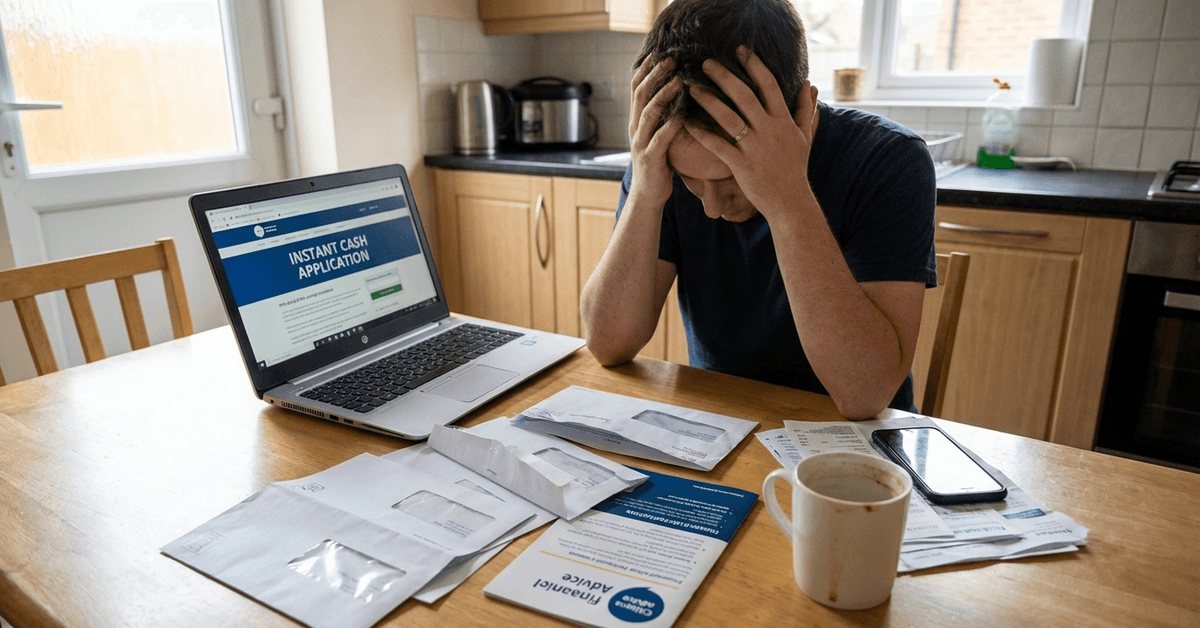
It’s not hard to see why payday loans attract so much attention. They provide access to quick cash in situations where more conventional loans may not be available: maybe your car breaks down, or an urgent bill arrives. Some people like having that safety net, even if it comes with caveats.
Costs and Key Risks of Payday Loans
There’s perhaps a perception that payday loans are simply another form of responsible borrowing, but there are notable pitfalls to consider.
One striking feature of payday loans in the UK is the annual percentage rate (APR), which can reach into the thousands—even though the loan term is much shorter.
Understanding High Interest and Fees
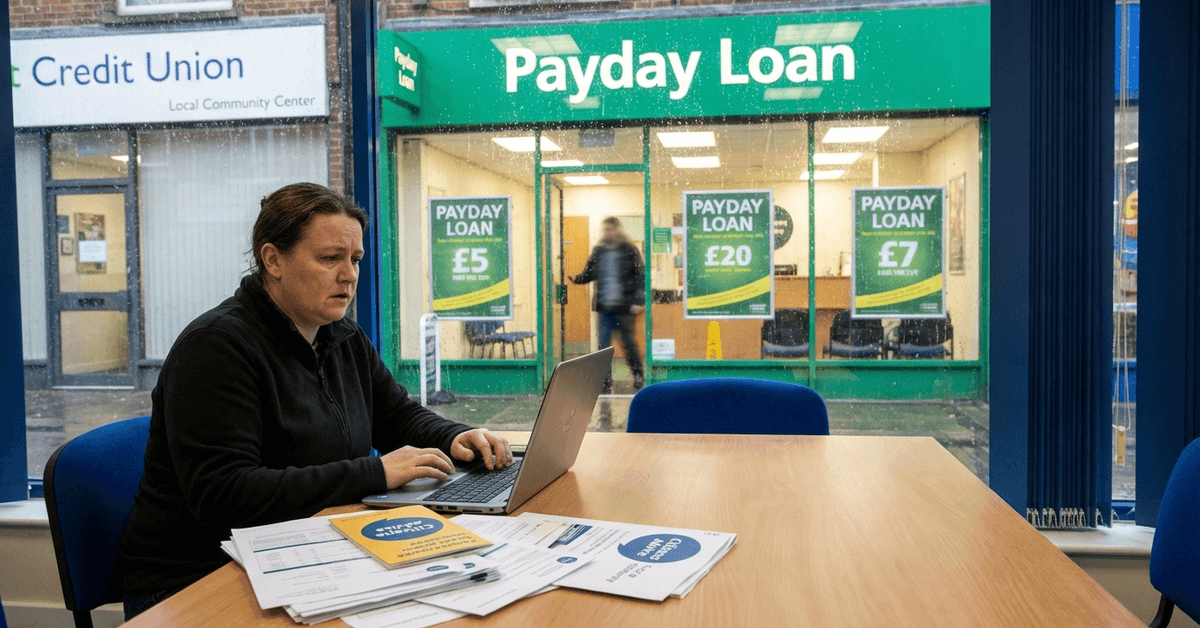
Although UK regulators now cap payday loan interest rates , costs can still be steep. Lenders can charge a maximum of 0.8% interest per day, with a total cost cap of 100% of the amount borrowed.
While these limits protect borrowers to some extent, borrowing £200 could still mean repaying up to £400 if the loan isn’t paid off promptly. That’s a significant risk, especially if money is already tight.
Late Repayment Penalties
Missing payments or repaying late can result in additional fees, making the debt spiral quickly. Some may encounter a feeling of anxiety when facing growing costs and contact from lenders.
Realistically, not everyone expects this when taking out a quick loan, and it’s a situation more common than some might believe.
Credit Rating Impact
Short-term lenders generally perform credit checks, but approval standards may be less strict than with mainstream banks.
Repeated or missed payments on payday loans can damage a credit score, which can affect access to other forms of credit in future.
The logic is simple—unpaid loans suggest a greater risk to future lenders, even if life circumstances have changed.
Potential for Debt Spiral
If someone—maybe without really thinking it through—takes out a new payday loan to repay the last one, the debt can multiply.
This is a classic risk in short-term lending: one expense triggers a cycle that’s hard to break. It’s worth pausing to consider if another option might be safer or more sustainable.
Who Typically Uses Payday Loans?
There’s this cliché of payday loans being used by ‘reckless’ borrowers, but actual users vary widely. While some only turn to payday loans temporarily, others may feel stuck with few alternatives.
Some are employed but face unexpected expenses, while others have irregular incomes or issues getting approved elsewhere.
It’s a surprisingly mixed group, reflecting the reality that financial emergencies can happen to almost anyone.
Alternatives to Payday Loans
Considering the high stakes, many in the UK explore different ways to manage cash flow before opting for a payday loan. Several alternatives might be less risky, though it sometimes depends on eligibility and timing.
Credit Unions
Local credit unions offer small low-interest loans to members. Approval can take slightly longer, but repayment terms are generally more flexible.
Some borrowers find this route is less stressful, with clearer communication and fewer surprise fees.
Overdrafts and Credit Cards
If someone qualifies, a bank overdraft or a low-limit credit card could provide a buffer. Costs vary but are typically lower than payday loans.
Of course, this isn’t an option for everyone—new applicants can be rejected, and interest-free offers may expire if not managed carefully.
Family and Community Support
It can feel awkward to ask, but sometimes a small loan or gift from family or friends solves the problem without the stress of high-rate borrowing. This isn’t always practical, but it’s a solution that seems to work for some.
Budgeting Tools and Payment Arrangements
For certain bills, like utilities or rent, companies may allow revised repayment plans in an emergency. Trying a quick conversation before borrowing can reveal surprising flexibility from suppliers.
Plenty of UK charities offer free budgeting help that some overlook—Turn2Us and Citizens Advice are examples worth checking out.
Regulation of Payday Loans in the UK
In the past, payday lending in the UK was far less regulated, resulting in borrower complaints and widespread debt problems.
The Financial Conduct Authority (FCA) now closely supervises lenders, introducing strict rules in 2015 to cap rates, fees, and default charges.
Reputable lenders must be FCA-authorized and provide borrowers with clear information on costs and risks upfront.
These measures don’t guarantee good outcomes for all borrowers, but they add a layer of protection no one had years ago.
Responsible Lending Standards
Today, lenders need to check if a loan is affordable, rather than just possible. They must run adequate assessments and treat borrowers fairly, including those struggling to pay.
But, even now, lapses occur—sometimes new lenders, particularly online startups, don’t always live up to the spirit of these rules.
That’s why many still recommend reviewing all loan paperwork and considering customer reviews before moving forward.
When Might a Payday Loan Make Sense?
Payday loans in the UK might fit very narrow circumstances, such as a genuine emergency where all other options have been exhausted and repayment is certain and affordable.
Even then, terms and costs deserve careful scrutiny. Maybe it’s like using a fire extinguisher—helpful in the right context, but not something for everyday use.
Frequently Asked Questions About Payday Loans UK
How fast can you get a payday loan?
Most payday lenders offer same day payout if approved during business hours. The process is usually online and takes under an hour, though funds may appear slightly later depending on your bank.
Will a payday loan hurt my credit score?
Short-term lenders report to UK credit agencies, so late or missed payments will affect your score. Responsible short-term borrowing, if repaid fully and on time, might not have a negative effect—though that’s not guaranteed.
Are there legitimate payday lenders?
Yes—FCA-authorized UK lenders must adhere to strict standards. Always check the Financial Services Register (register.fca.org.uk) to confirm a lender’s status before sharing personal details.
What if I can’t repay my payday loan?
If repayment isn’t possible, it’s best to contact the lender as soon as possible. Many will offer revised payment plans or refer you to charity debt advisers such as StepChange or National Debtline.
Tips for Using Payday Loans More Carefully
- Borrow only for a genuine short-term emergency.
- Check the total repayment amount before accepting the loan.
- Confirm the lender is FCA-authorized.
- Explore cheaper alternatives before borrowing.
- Contact the lender early if repayment may be difficult.
Final Thoughts
Payday loans in the UK can offer fast access to cash, but they come with high costs and real risks if repayment is not managed carefully.
They may only make sense in limited emergencies where repayment is certain and other options are unavailable.
Looking at alternatives like credit unions, overdrafts, or payment arrangements can often lead to a safer outcome.
A cautious, informed approach is the best way to avoid turning a short-term problem into a longer-term financial strain.