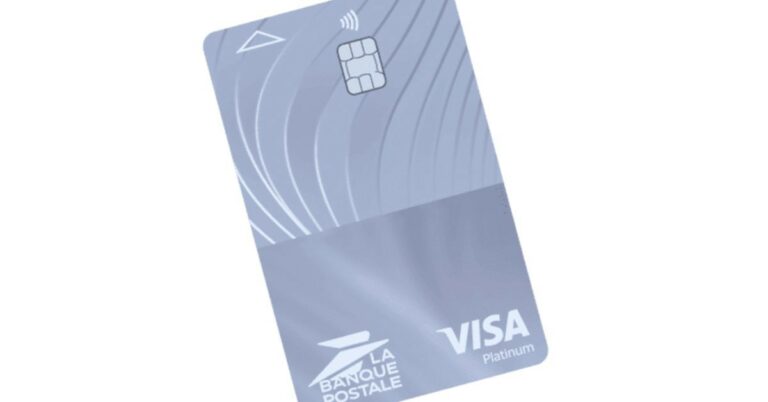
If you’ve been thinking about traveling to France, sorting out the right card solution can sometimes seem a little confusing. For those interested in easy, everyday payments and broad access across France, the Visa Classic France could make sense.
This article explores the essentials behind this popular payment card—especially for residents, newcomers, or travelers—and points out the simple process that might help make your daily purchases worry-free.
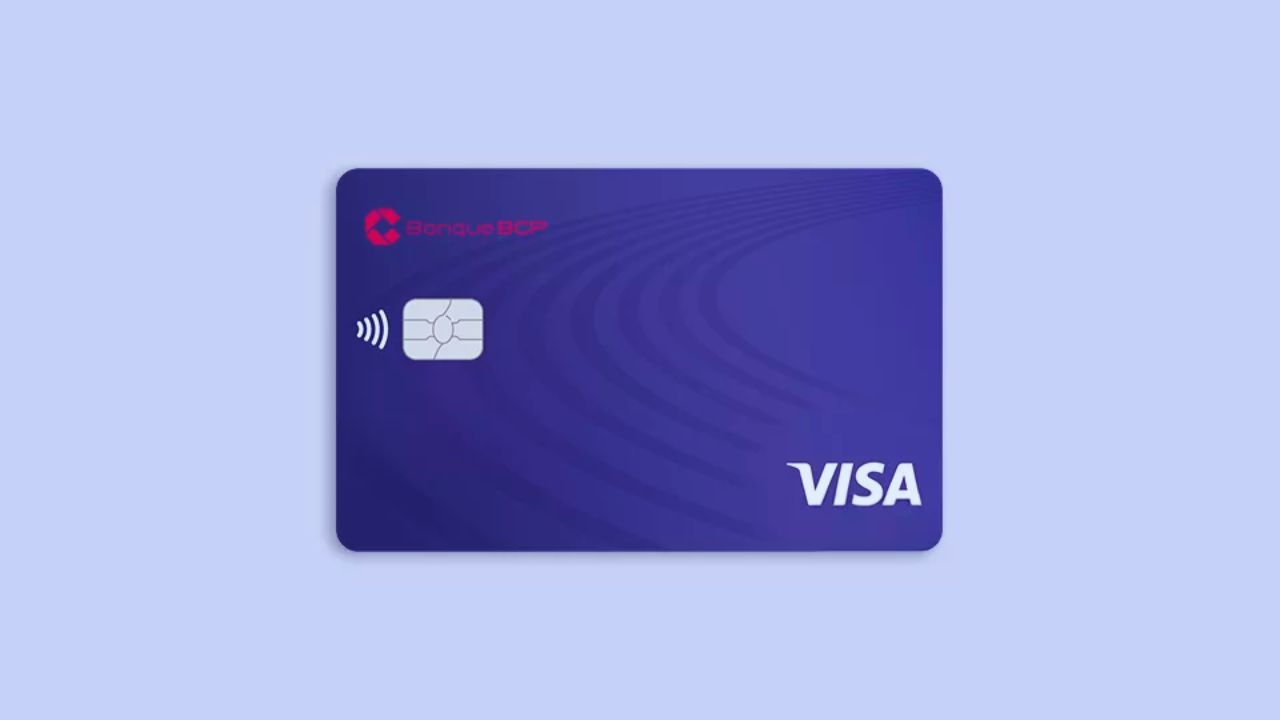
Understanding the Visa Classic France Benefits
The Visa Classic France card provides a blend of reliability and broad acceptance that works across most shops and digital channels.
Many discover it practical for daily routines—from metro tickets to shopping online. Perhaps the main advantage comes down to its combination of security with convenience, all in one.
Wide Acceptance and Flexible Use
One thing people often mention is how widely accepted Visa cards are in France, including in small towns. Whether you’re in a Paris café or a provincial market, payment is typically straightforward.
Added Security Measures
While no card can guarantee perfect safety, features like chip-and-PIN, SMS alerts, and contactless payment do provide extra peace of mind. For many, that small reassurance makes a difference, especially when traveling.
Travel Insurance Coverage
Certain Visa Classic France cards also bundle in insurance services for purchases, rentals, or travel. This varies by provider, but it’s a detail sometimes overlooked when comparing cards for international trips.
Who Should Consider a Visa Classic France?
The choice might seem obvious for some, less so for others. Residents who need a dependable card for everyday French life often select it for its familiarity and transparent fees.
- Newcomers to France—Finding a payment solution accepted everywhere can help reduce stress.
- Students—With easy online and retail use, students appreciate the flexibility.
- Frequent Travelers—The broad acceptance makes recurring travel simpler.
- Anyone Needing Basic Credit Features—Some rely on it for emergencies or planned purchases.
Certain groups, like digital nomads or those with complex financial backgrounds, might need to compare options. Sometimes, banking requirements differ based on residency or employment status, so it’s worth double-checking eligibility.
Key Features of Visa Classic France
Some people mainly associate ‘classic’ with standard features, but a closer look shows several practical points:
- Contactless Payments—Quick, safe tap-and-go for public transport or supermarkets.
- Online Shopping Compatible—Secure codes and authentication for most major retailers.
- Worldwide Acceptance—Useful for those who travel outside France, not just within.
- Overdraft Facility (Depends on Bank)—Some banks allow a modest, pre-approved overdraft.
- Insurance (Varies)—Accident cover or purchase protection, depending on your issuer.
One note: card features and limits do differ between banks. Reading the terms, even briefly, can help avoid surprises. The application process is sometimes digital, though not always—it may depend on which bank you prefer.
Step-by-Step Guide: How to Apply for Visa Classic France
While every French bank has its quirks, there’s usually a pretty standard process for applying. I found the steps below straightforward, but your experience might vary slightly, especially if you’re opening your very first French account.
1. Research the Banks Offering Visa Classic France
Big names like BNP Paribas, Société Générale, and Crédit Agricole typically issue Visa Classic France cards. Checking their websites or branches can reveal up-to-date offers or special terms.
2. Compare Account Types and Fees
Perhaps the most overlooked step: looking at account maintenance costs, card fees, cash withdrawal charges, and extra options. Sometimes, the long-term savings only show after a few months of use.
3. Gather Essential Documents
- Proof of identity (passport or French ID card)
- Proof of address in France (recent utility bill or rental contract)
- Proof of income or student enrollment (as required)
- Visa or residence permit (if you’re a non-EU citizen)
Banks are known for strict document checks, and sometimes they’ll request originals. Rarely, extra paperwork may be required if your financial background is unique.
4. Fill Out an Application (In-Person or Online)
Some banks let you complete applications online—handy if you already hold a bank account in France. Others might require a meeting at a branch, sometimes with an English-speaking staff member.
5. Wait for Approval and Card Issuance
Approval times can vary. Occasionally, it’s just a few days, but sometimes it stretches to two weeks. Delivery of your card (and PIN) usually happens by post, or you might be asked to collect it at a branch for extra security.
6. Activate and Start Using Your Card
The activation process typically requires visiting an ATM or calling a secure number. After activation, the card is immediately valid for use in-store and online. Setting up SMS alerts is optional but can enhance security.
Common Questions About Applying
Common questions about applying help applicants understand eligibility, documents, timelines, fees, and approval steps before starting the process with confidence.
Do I need to be a French citizen?
Not necessarily. Many French banks accept international residents provided you show proper documentation. Some online banks are even more flexible.
Are there minimum income requirements?
Sometimes, yes. Traditional banks may require income proof, particularly for credit-enabled cards. For basic debit cards, requirements are often lighter, especially for students.
Can tourists apply?
Short-term visitors don’t usually qualify, but those staying longer term—over 90 days—may be eligible, especially with a valid residence permit or visa.
Tips to Make Your Application Smooth
- Check Your Eligibility —A quick email or call to your preferred bank could clarify any special requirements.
- Prepare Originals and Photocopies —It occasionally feels redundant, but French banks really prefer both.
- Ask About Card Delivery Times —Particularly useful if you need fast access upon arrival in France.
- Review Fees Annually —Some features may change, and comparing annually sometimes reveals better offers.
Attempting to apply while still abroad is possible with online banks, but physical banks might require your presence in France for the final approval.
Legal and Tax Considerations for Foreign Applicants
France has fairly robust banking regulations. Most applicants must comply with anti-money-laundering checks and may be asked to declare their tax residency or foreign accounts.
Dual residents sometimes find the paperwork a bit daunting, but it is a standard legal step.
Opening an Account as a Non-Resident
Some banks allow for ‘non-resident’ accounts. Features may be more limited, and card limits could be lower, yet for many, this is a reasonable solution when new to France or just arriving for studies or work.
Tax Declarations
New bank account holders may receive forms for fiscal reporting—especially if holding funds overseas.
It’s not always clear at first, but French banks are legally required to ensure your compliance. Seeking advice from a bilingual banking advisor can sometimes save headaches later.
Comparison Table of Major Banks Issuing Visa Classic France
A comparison table of major banks issuing Visa Classic in France helps readers compare fees, benefits, access, and application requirements.
| Bank | Annual Fee (Approx.) | Online Application | Insurance Included |
|---|---|---|---|
| BNP Paribas | €45 | Yes | Travel, Purchase |
| Société Générale | €42 | Partial | Travel |
| Crédit Agricole | €40 | No | Purchase |
| Boursorama Banque | €0-€15 | Yes | Varies |
Conclusion
Applying for a Visa Classic in France becomes easier when applicants understand requirements, prepare documents, and follow each step carefully.
With practical planning and clear attention to card terms, users can avoid delays and gain everyday payment access with confidence.
Note: There are risks involved when applying for and using credit. Consult the bank’s terms and conditions page for more information.